
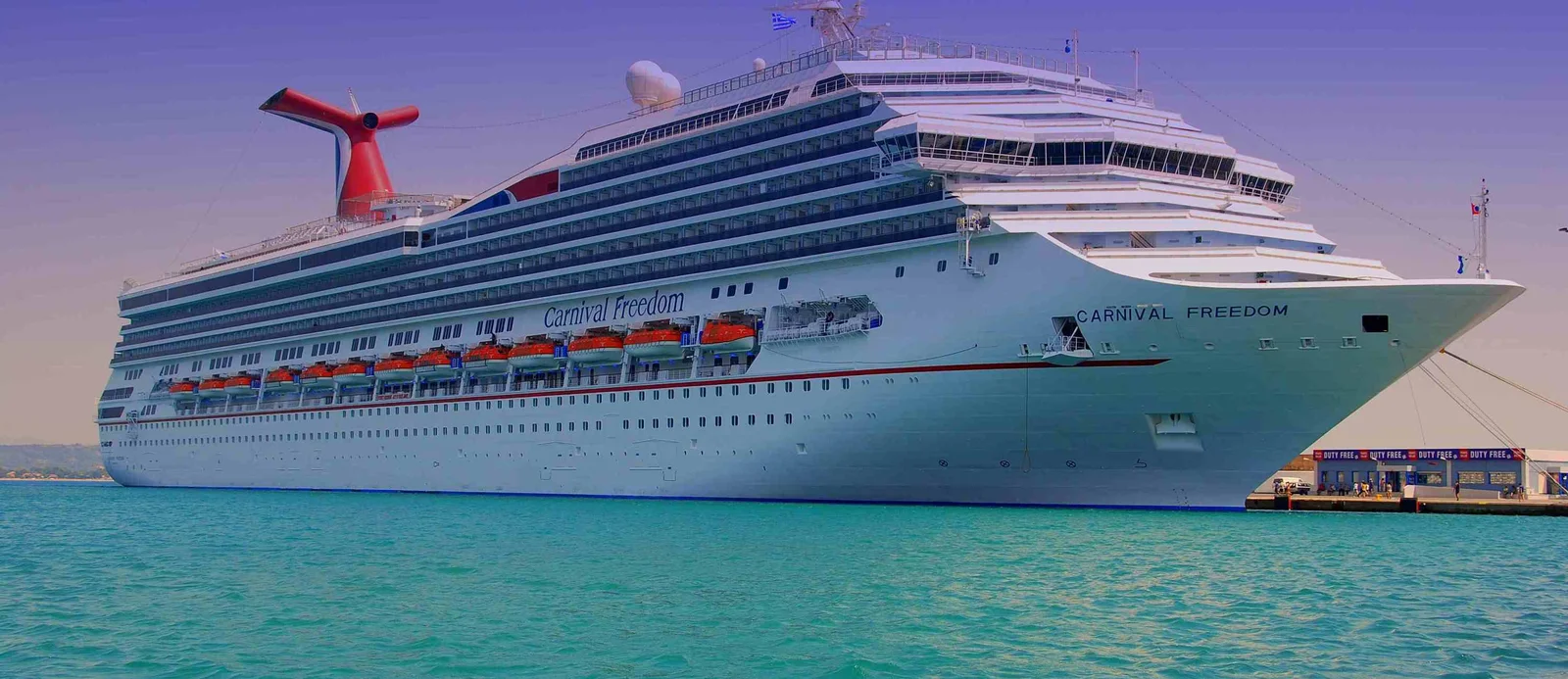
Closed-Loop Cruises Explained
A closed-loop cruise is one that departs from and returns to the same US port, without an itinerary that requires a US passport for reentry - most Caribbean and Bahamas cruises from ports like Miami or Port Canaveral fall into this category.
This distinction matters mainly for documentation purposes: US citizens on a closed-loop cruise can generally travel with just a government-issued photo ID and proof of citizenship, rather than a full passport, thanks to a specific exception under US travel regulations. A one-way (open-jaw) cruise - departing from one port and ending in a different one, often in a different country - doesn't qualify for this exception and requires a passport.
Even on a qualifying closed-loop cruise, carrying a passport anyway is still the safer move in case of an emergency requiring you to fly home from a foreign port. Questions about whether your specific itinerary qualifies as closed-loop? Call +1-800-406-8495.
Frequently Asked Questions
What makes a cruise 'closed-loop'?
It's a cruise that departs from and returns to the same US port, without requiring a passport for reentry to the US - most weeklong Caribbean and Bahamas cruises qualify.
Can I use just a driver's license for a closed-loop cruise?
No - you need a government-issued photo ID (a driver's license works) plus separate proof of citizenship like a birth certificate; a driver's license alone isn't sufficient.
Are Alaska cruises always closed-loop?
Not always - some Alaska itineraries call at a Canadian port like Victoria, which can affect passport requirements even though the cruise starts and ends at a US port.
Why would I still want a passport on a closed-loop cruise?
If a medical or family emergency requires you to leave the ship at a foreign port, a passport is the only document that lets you fly home independently rather than waiting for the ship to return.
Is a one-way cruise the same as a closed-loop cruise?
No, a one-way (open-jaw) cruise ends at a different port than where it began, which disqualifies it from the closed-loop passport exception, meaning a passport is generally required.
What's an example of a closed-loop cruise?
A cruise that departs from Miami, visits several Caribbean islands, and returns to Miami is a classic example of a closed-loop itinerary.
Do closed-loop cruises ever require a passport anyway?
Not strictly, but a passport is still recommended even on closed-loop cruises in case of unexpected itinerary changes or medical evacuation needs.
Are river cruises ever considered closed-loop?
The closed-loop concept mainly applies to ocean cruises departing from and returning to the same U.S. port; river cruise documentation rules differ.
Does a closed-loop cruise mean the same thing in every region?
The term specifically refers to U.S. entry/exit document rules and is most relevant for Caribbean, Bahamas, Mexico, and similar nearby itineraries.
Can a closed-loop cruise become a non-closed-loop trip if I fly home from a different city?
Yes, if you disembark and fly home from a different country or don't return to the same U.S. port, the closed-loop exception no longer applies, and a passport is typically required.